
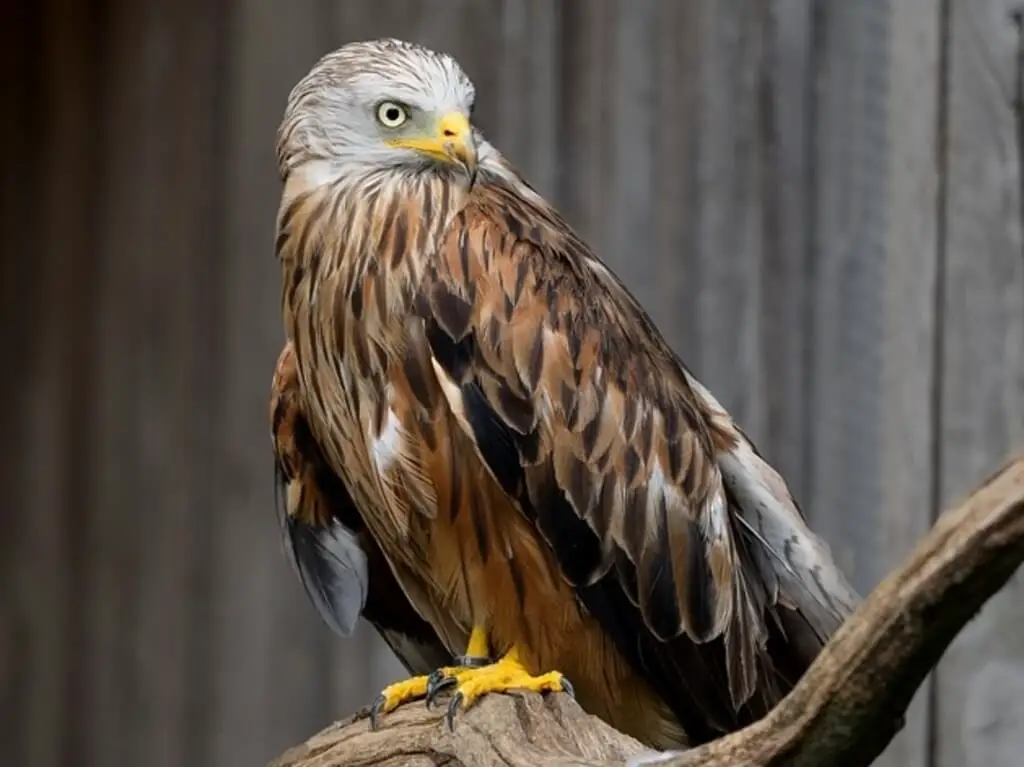
Welcome to an exploration of the majestic Red Kite, a raptor that symbolizes nature’s wonder and resilience. In this updated guide, we unveil 65 fascinating Facts About Red Kites that show the intricate details of their existence, from 113 mph dives to their social “wakes.” Known for their grace and presence, these birds are now entering a historic chapter in their conservation story that every birdwatcher should know.
We explore the latest 2025–2026 data to uncover the secrets of these magnificent birds. While many recognize their forked tails, our updated research includes new developments like record-breaking population surges and a full-circle return to their ancestral homes in Europe. Discover the most current and captivating world of the Red Kite through these latest findings.
Red Kite (Overview)
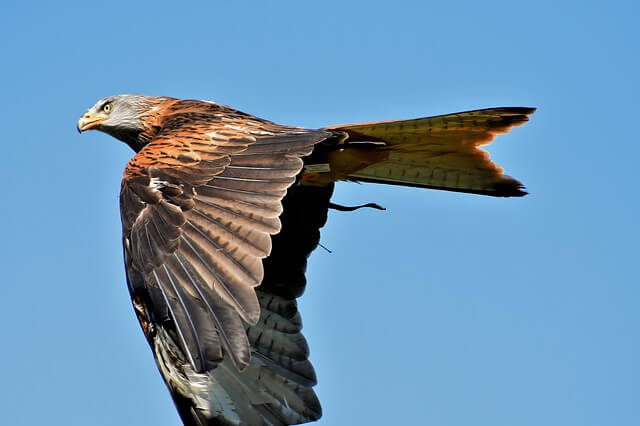
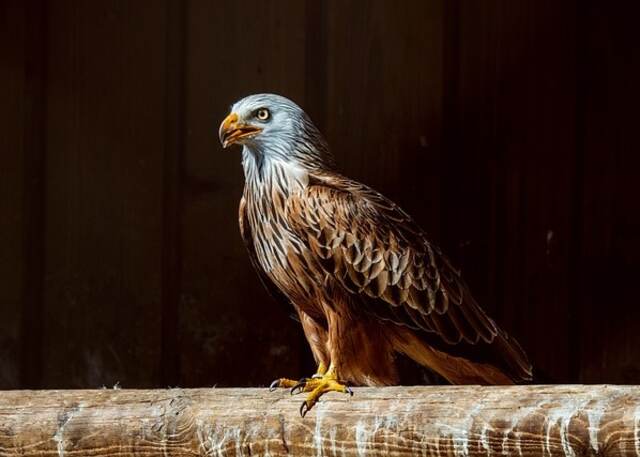
| Identification | Gray head with black streaks, reddish-brown plumage with wingtip black streaks, forked tail, yellow beak, yellow iris with black pupils. |
|---|---|
| Size | Length: 24 to 28″ (48.3-61.0 cm) |
| Weight | Males: 800–1,200 g (28–42 oz), Females: 1,000–1,300 g (35–46 oz) |
| Wingspan | 69–70″ (120-154 cm) |
| Taxonomy | Order: Accipitriformes, Family: Accipitridae, Genus: Milvus, Species: M. milvus, Scientific Name: Milvus milvus |
| Range | Southern Europe to North Africa, eastwards across Asia to Pakistan, India, China, Japan, and South Korea |
| Migration | Southwards for winter (typically November through March) |
| Habitat | Open plains, dense forests, wetlands, shrubs, tall grasses, mountainsides |
| Diet | Insects, fish, reptiles, amphibians, small mammals, birds, carrion |
| Population | Estimated 60,000 – 70,000 individuals, 35,000 pairs |
| Conservation Status | Near Threatened (Population decreasing) |
| Breeding | March-April |
| Incubation | 31–32 days per egg |
| Clutch Size | 1–4 eggs, laid at 3-day intervals |
| Number of Broods | 1 Brood |
| Nesting Habitat | High tree forks, utility poles, rooftops, constructed with twigs, sheep’s wool, and grass |
| Parental Care | Both parents incubate and raise the chick after hatching |
- Red kites are members of the hawk family, closely related to eagles and buzzards.
- Red Kites and Black Kites are part of the same Accipitridae family, known for their sharp eyesight in hunting.
- Their scientific name is “Milvus milvus.”
- Red Kites are common across Europe, the Middle East, Africa, and as far south as South Africa.
- They are monogamous birds, often forming lifelong pairs.
- These migratory birds breed in Europe during the summer and winter in Africa.
- Red Kites are exceptional soarers, spending much of their lives in flight.
- They can reach impressive dive speeds of up to 113 mph (183 kph) when hunting.
- Their eyesight is four times more potent than that of humans.
- Red Kites engage in intricate aerial courtship rituals.
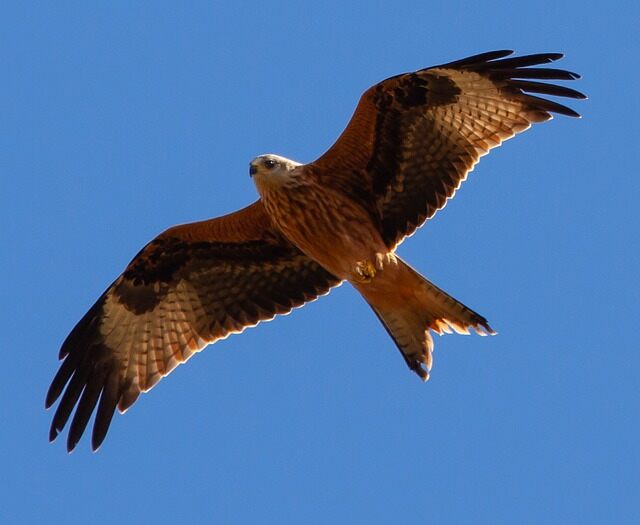
- With a wingspan of up to 1.5 meters, they appear larger than they are during flight.
- Their wingspread equals the average human arm span, ranging from 1.5 to 1.8 meters.
- While flying, they flap their wings minimally and glide extensively.
- Red Kites often perch on trees, telegraph poles, and fence posts for extended periods.
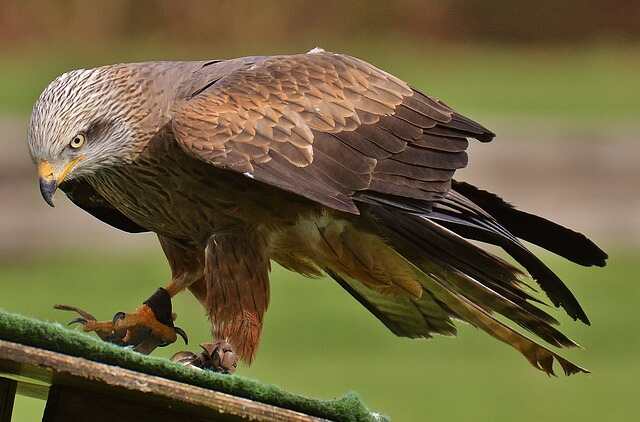
- Their talons are robust, necessary for carrying heavy prey back to the nest.
- Breeding season typically occurs in the spring, around late March in Britain.
- Young Red Kites are born blind, covered in white down, and weigh about 6 oz.
- Parent birds bring all nesting materials to the nest.
- They can reach altitudes of up to 2,600 feet (800 meters).
- Red Kites primarily feed on insects and mammals, such as mice, voles, and rabbits.
- They prefer nesting in large, old trees or on cliffs near grasslands.
- Nesting in urban areas is rare due to the risk of human interference.
- Red Kites will vigorously defend their nest if disturbed.
- In the wild, they can live up to 25 years, but captivity can extend their lifespan to over 38 years.
- They are agile fliers with a level flight speed of around 55 mph.
- Red Kites are social birds that often return to the same nesting site.
- Females are slightly larger than males, with females weighing 2.2 – 2.8 lbs., and males weighing 1.8 – 2.6 lbs.
- They inhabit the Palearctic region from Europe to North Africa, with a concentration in Eastern and Central Europe.
- Red Kites are protected by law in many regions where they are common.
- They are powerful fliers, capable of horizontal speeds between 64 – 80 km/h.
- Red Kites are carnivorous, primarily feeding on carrion, but they also eat small mammals, insects, reptiles, amphibians, and occasionally catch fish.
- These diurnal birds breed in colonies of up to 100 pairs.
- A group of Red Kites is known as a “Wake” or “Kettle.”
- Red Kites serve as indicator species to assess environmental health.
- They breed only once a year.
- While soaring, Red Kites emit screeching sounds.
- Red Kites have distinctive forked tails.
- They are known for their beautiful reddish-brown plumage.
- The wings of Red Kites are long and pointed.
- Red Kites have sharp, curved beaks, ideal for tearing into carrion.
- They often feed on roadkill, making roadsides a common hunting ground.
- Red Kites play a vital role in controlling carrion in their ecosystems.
- These birds have excellent maneuverability in flight.
- They are known for their graceful and acrobatic flight displays.
- Red Kites are sensitive to changes in their environment and can be affected by habitat loss.
- Conservation efforts have helped to increase Red Kite populations in some regions.
- Red Kites can recognize individual human faces.
- They have an average clutch size of 2–4 eggs.
- The incubation period for Red Kite eggs is around 31–32 days.
- Both male and female Red Kites participate in incubating the eggs and feeding the young.
- Red Kites are a symbol of conservation success, with populations recovering in parts of their range.
The “Full Circle” Red Kite Success Story (2025-2026 Update)
While our 65 facts provide a deep dive into the Red Kite’s life, the most recent data reveals a remarkable “full circle” conservation success. According to the JNCC Breeding Bird Survey, the Red Kite population in the UK soared by an incredible 2,464% between 1995 and 2023. This explosion in numbers has transformed the species from a rare sight into a common soaring marvel across much of the country.
Much of this success traces back to The Chilterns National Landscape, the historic site of the first major reintroductions in 1990. In a poetic turn of events, the thriving UK population is now robust enough that juvenile birds are being relocated back to Spain to bolster dwindling populations in regions like
Expert Tip for 2026: As these birds become increasingly “urbanized,” you may spot them in residential gardens. While it’s tempting to offer food, experts from the Chilterns and JNCC advise against supplementary feeding to ensure these majestic raptors maintain their natural foraging instincts and ecological balance.
Conclusion: The Future of the Red Kite
The journey of the Red Kite from near-extinction to a soaring success story is one of nature’s greatest triumphs. As our 65 fascinating facts show, these birds are more than just scavengers; they are resilient, intelligent, and vital indicators of our environment’s health.
As we move into 2026, the focus shifts from simply “saving” the species to living alongside them as they become a staple of both our rural and urban skies. By observing them responsibly and supporting conservation groups like the JNCC and the Chilterns National Landscape, we can ensure that the “forked tail” remains a permanent fixture of our horizons for generations to come.